Context
In a constantly evolving world, where each individual must take on different roles throughout their career with a significant social dimension, the need to train citizens capable of adapting and cooperating is becoming increasingly apparent. Serious games have already proven useful in understanding real-life situations, especially in teamwork and knowledge co-creation. It therefore seems relevant to explore how to design multiplayer, multi-role serious games, and more importantly, how to encourage their design by teachers who advocate their use.
Many complexities exist in designing games. Added to these difficulties, is the non-trivial challenge of multiplayer. Multiplayer Learning Games (LG) must meet the constraints of single-player games but also incorporate the challenges associated with multiplayer and LG design. Furthermore, methods to assist in designing such games seem limited. Finally, the complexity increases even further when considering distinct roles interacting simultaneously within multiplayer LG.
Our objective is therefore to provide teachers with the tools to design multiplayer Learning Games more easily, especially role-playing games with distinct roles. Our aim is to define a model and tools, based on this model, to facilitate the design of Role Learning Games (RLG), asymmetrical role-playing games with an educational purpose.
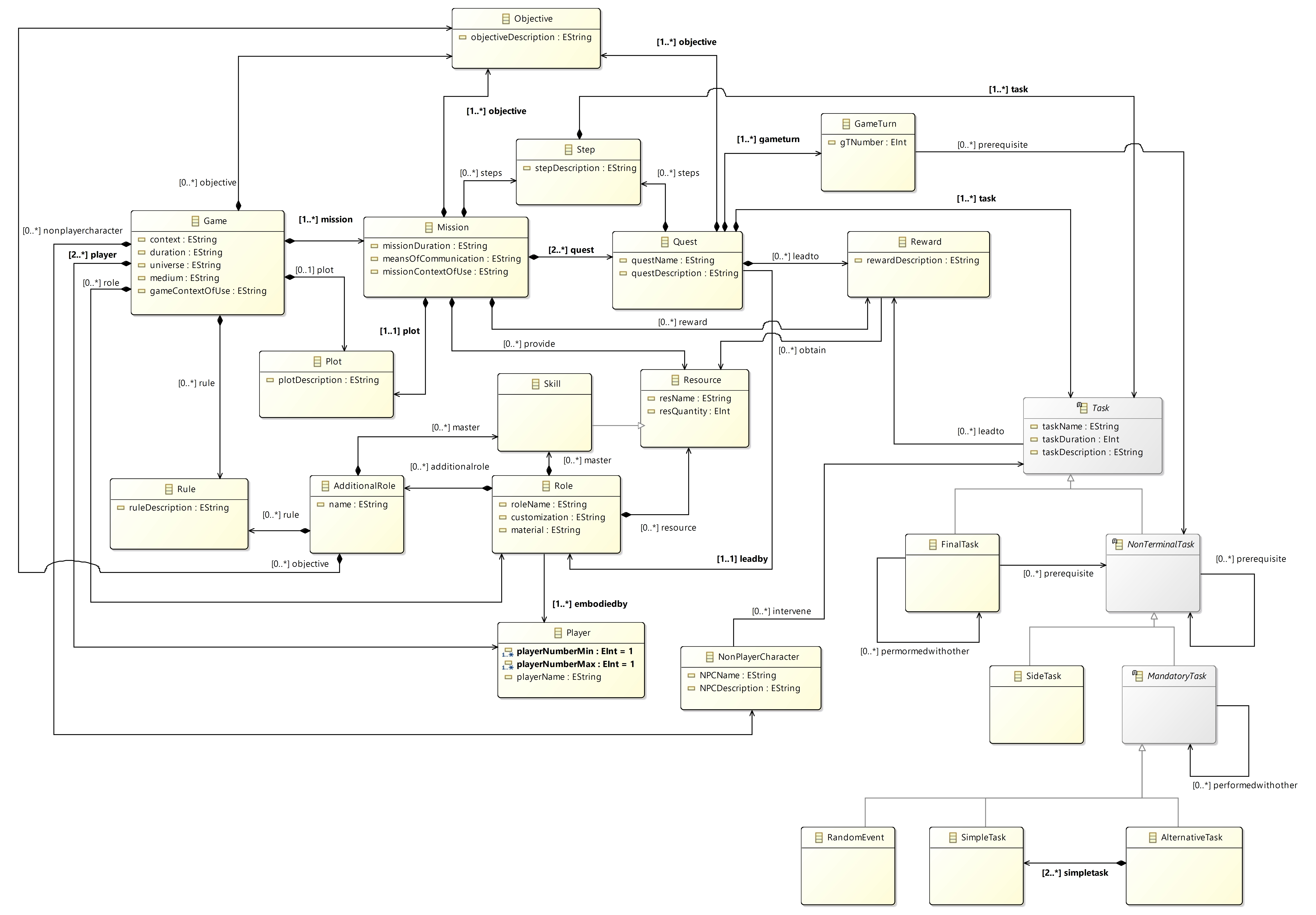
The tools we propose below are based on research aimed at establishing a model and procedure for designing RLGs. Here are the properties of this model:
- A game (Role Learning Game) must have a duration (for example, in hours, weeks, or months), a context, a medium, and a universe (realistic, medieval fantasy, science fiction, etc.), and it is also essential to define the rules of the game.
- One or more global objectives must be defined, along with a general plot, and at least two distinct roles must be involved in one or more missions.
- Each mission has a defined duration, a plot, and can target one or more objectives.
- A mission is composed of at least two quests, one for each role involved in that mission.
- Quests, associated with a single role, allow the player to achieve a reward and meet the objectives by completing tasks or managing random events.
- An additional role can be attached to a role to give it specific tasks, objectives, and rules.
- The quest can take place over several game rounds.
- Each quest involves at least one common task with another role in its mission since the cooperative aspect is central to this type of game.
- There may be other tasks necessary to complete the quest, but also side tasks that deepen an already completed task. The purpose of these side tasks is to regulate waiting times for performing common tasks. They may also be useful for adjusting quest duration for all roles or anticipating the possibility that some players will progress faster and run out of tasks too quickly.
- Each task has an estimated duration and an action. The teacher can adjust the game's granularity depending on its complexity, detailing the actions to be performed more or less.
- Finally, Non-Player Characters (NPCs) may also intervene in tasks.
RLG Kit: the tangible tool
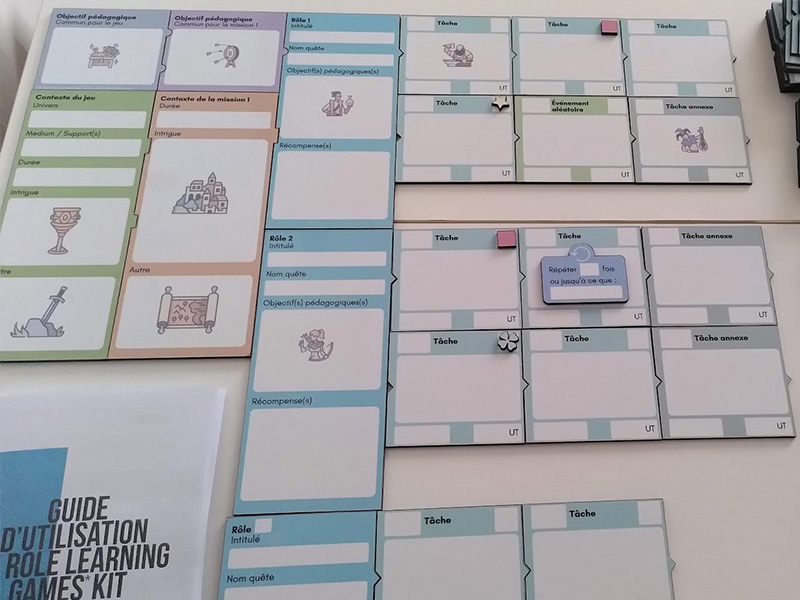
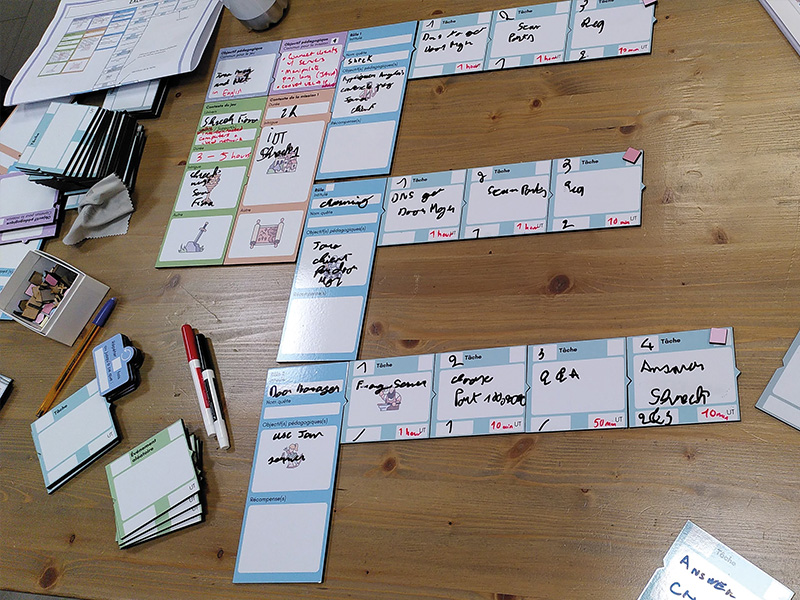
A design procedure based on the RLG model was experimented with, and it helped define the necessary steps to create a multiplayer, multi-role learning game scenario. Each step is detailed with a description, the questions to ask during the step, and an example to illustrate its implementation.
The experiments presented this procedure in both static (paper) form and online interactive formats. They resulted in RLG scenarios; however, the format of the scenario representation did not fully match the desired format, and some elements were occasionally missing (possibly due to the limited time allocated to the experiments).
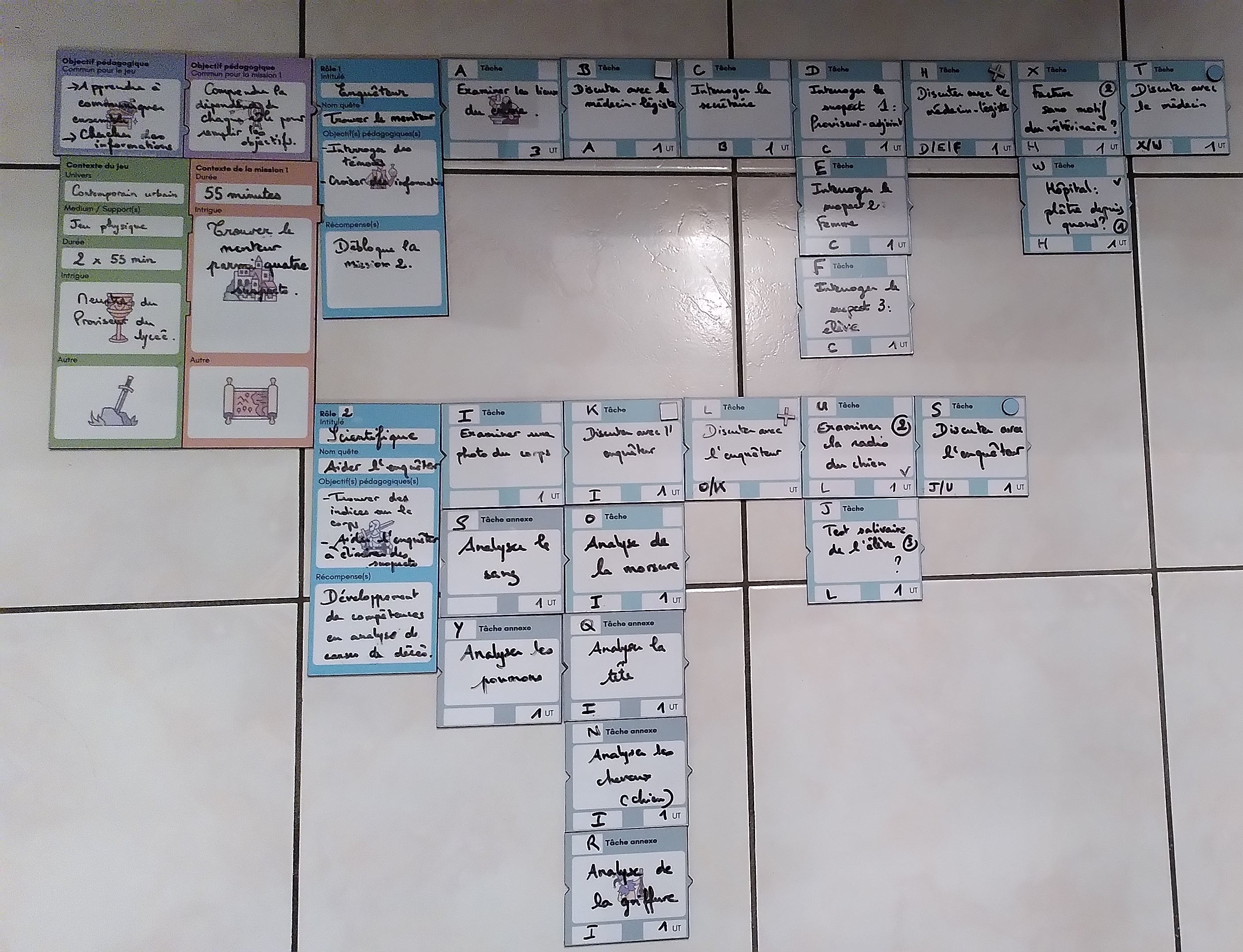
To assist with building the scenario in the desired format and highlighting the required elements, a scenario kit for RLGs was created. This kit takes the form of puzzle pieces to be assembled in a certain order. Each tile has its own function and represents one or more steps from the defined procedure.
A guide in booklet form accompanies this kit, providing explanations on what should be inscribed on each tile. Each tile contains white boxes that are rewritable and erasable.
Each essential tile features an icon, which can be scanned using a free augmented reality app to display an example scenario written in the white boxes. The final element of the kit is an example sheet of scenarios created using this kit. This kit offers the basic functionality for creating a game with up to four missions and five roles.
The Expansion
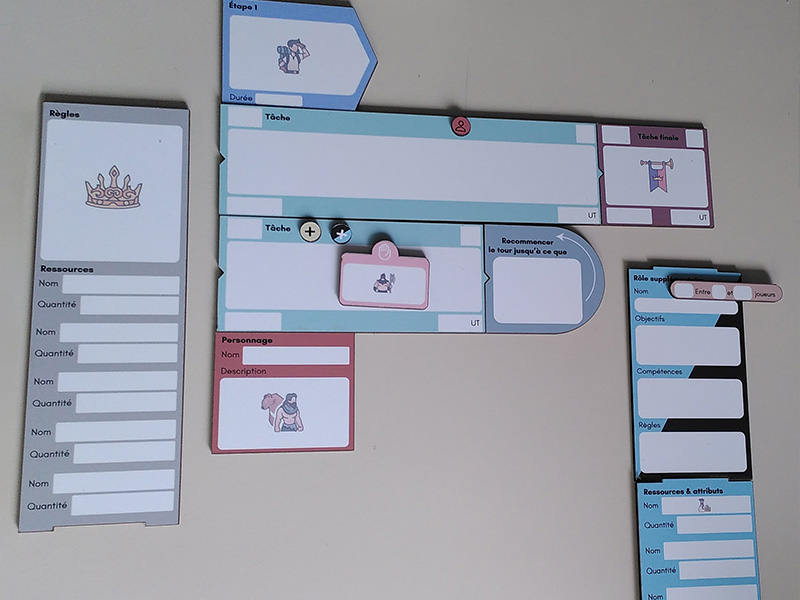
Following the experiments and the analysis of multiplayer, multi-role board games, an expansion was added to the base kit. Some of the base tiles were enhanced, and new ones were created. Indeed, several tiles would have been useful during the scenario design stages, such as:
- The rules of the game
- Defining stages in the progression of the scenario
- 2- and 3-times longer tasks to better coordinate tasks between roles
- Characters who would intervene in tasks
- The possibility of having multiple rounds, as the scenario is not necessarily linear
- A final task
- The ability to add secondary roles, giving a player specific powers or actions
- Managing the number of players taking on the same role based on the total number of players
- Having resources and attributes unique to a role or shared among all players
Downloads
Source files
RLG Maker: The Digital Tool
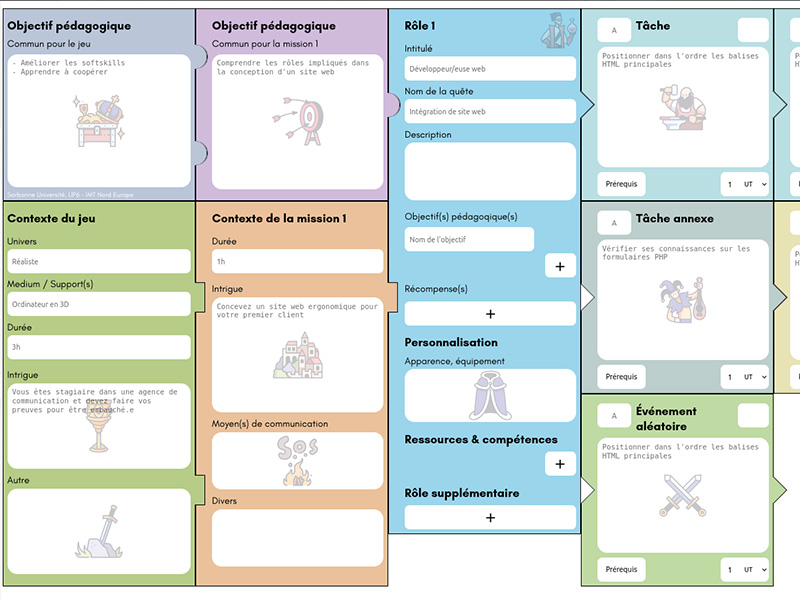
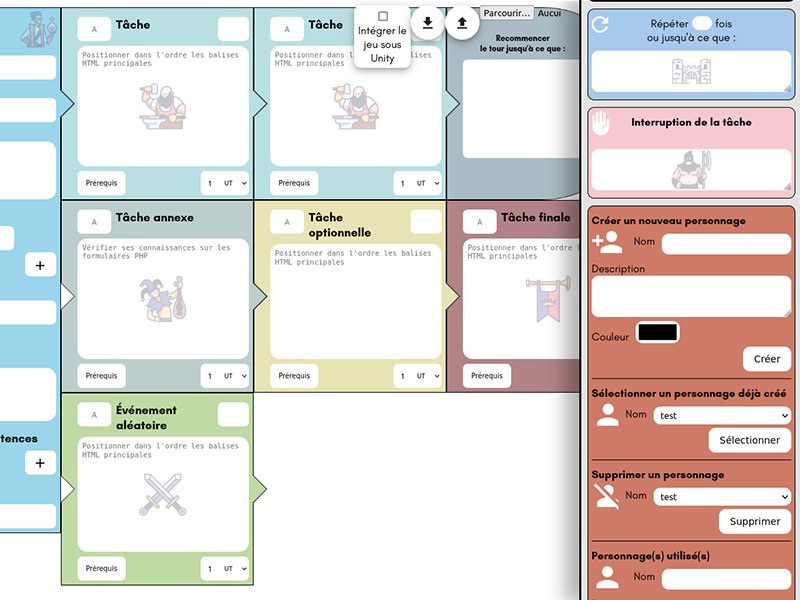
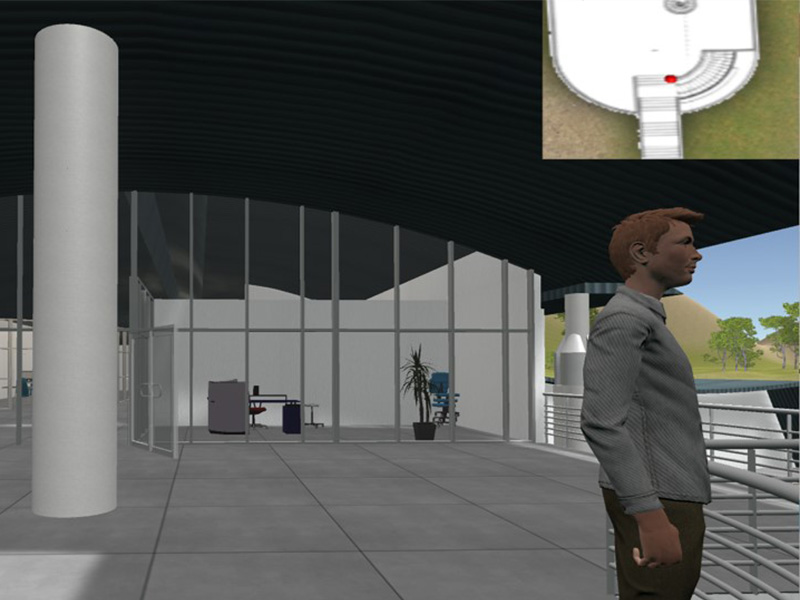
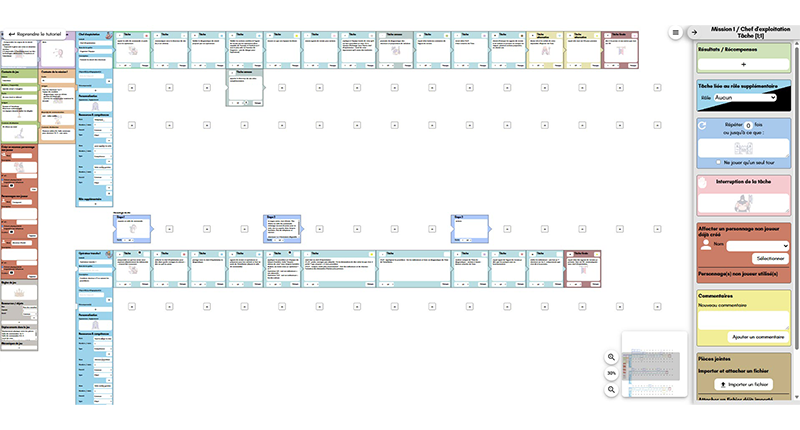
The RLG Maker is a digital tool based on the RLG Model. It allows teachers who have started constructing their scenario with the RLG Kit to quickly use the digital tool and save their scenarios. This tool can also be used without the RLG Kit. It helps assist the user in assembling the tiles.
Users can download a file (JSON) containing all the data from their scenario and re-upload it later to continue editing. A future feature will allow users to verify if their scenario is feasible when played synchronously: it will calculate whether players can perform common tasks at the same time and if the scenario duration is balanced for each player.
For specific situations, it is possible to activate an option in the RLG Maker, revealing new fields to fill in the tool. The purpose of this option is to download a file (JSON) importable into a pre-built project in Unity and automatically generate scenarios, resulting in a 3D game playable with students.
RLGchecker: the verification system
To ensure that the scenarios allow roles to complete common tasks at the planned times and avoid waiting periods, we have designed a scenario verification system. For this, we use Petri nets and have identified five recurring patterns for scenario design. By combining these patterns, we can reproduce the scenarios created with our tools.
Next, we developed an algorithm using the Laalys tool to analyse these Petri nets. For each common task that involves multiple roles, it calculates the minimum and maximum time to reach them, then compares these times to check if they are simultaneously accessible.
Finally, our algorithm provides the designer with an analysis report of the scenario. This report includes recommendations for modifying the scenario in two situations:
- If common tasks cannot be completed simultaneously
- If they can only be completed within a limited time period, which could lead to waiting times between players if their progress is not as expected by the teacher
This system is currently aimed at a more technical audience. It is planned to be integrated into the RLG Maker to make it more accessible to all designers. To learn more, an article has been published on this topic (Modelling and verification of asymmetric role-playing scenarios for learning with Petri nets).
Experiments
To verify and improve the model, we conducted:
- 5 experiments on the procedure to follow for completing the different design steps of a Role Learning Game. The 15 testers included participants from a college and several engineering schools.
- 3 experiments on the RLG Kit, gathering a total of 24 teachers from a college, a high school, and several engineering schools, covering more disciplines than for the procedure.
- 3 experiments on the RLG Maker, with 16 educational engineers and teachers from IMT.
- 1 experiment using the RLG Kit for the first phase of scenario design, followed by the RLG Maker for subsequent sessions. This game will be used in an engineering school on the theme of nuclear energy for about 37 players simultaneously.
Testers Over 15 sessions, from 06/22 to 05/24
Disciplines from college, high school, and engineering schools
Players in 3 games designed with the RLG Kit and/or the RLG Maker
Games created
Following the experiments, here are the games created using the RLG Kit:
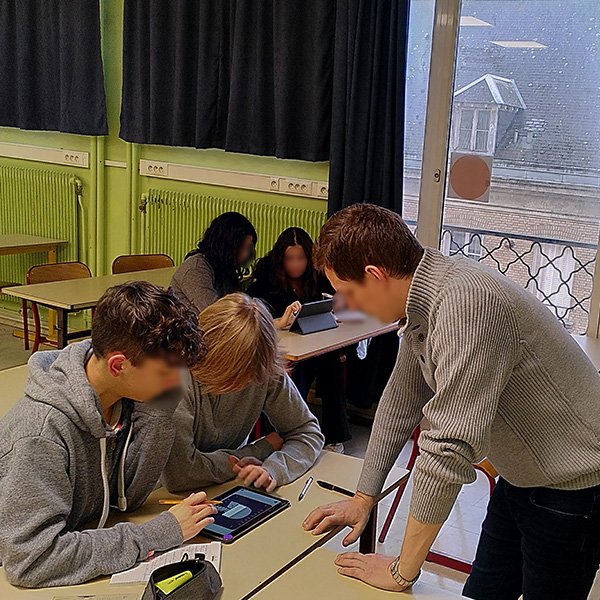
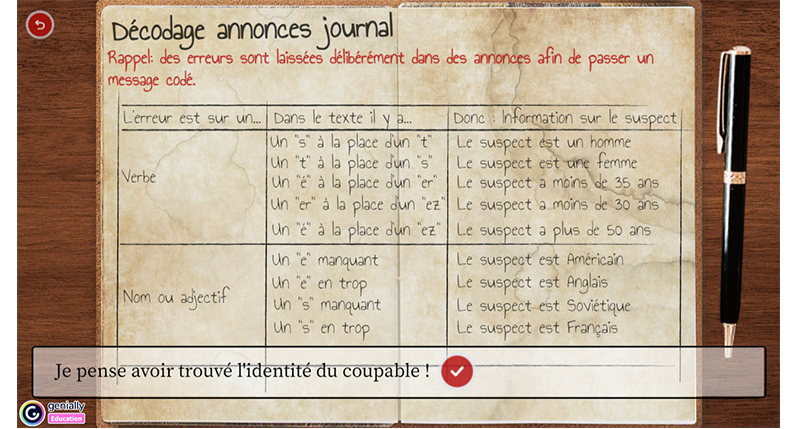
Crime at the high school
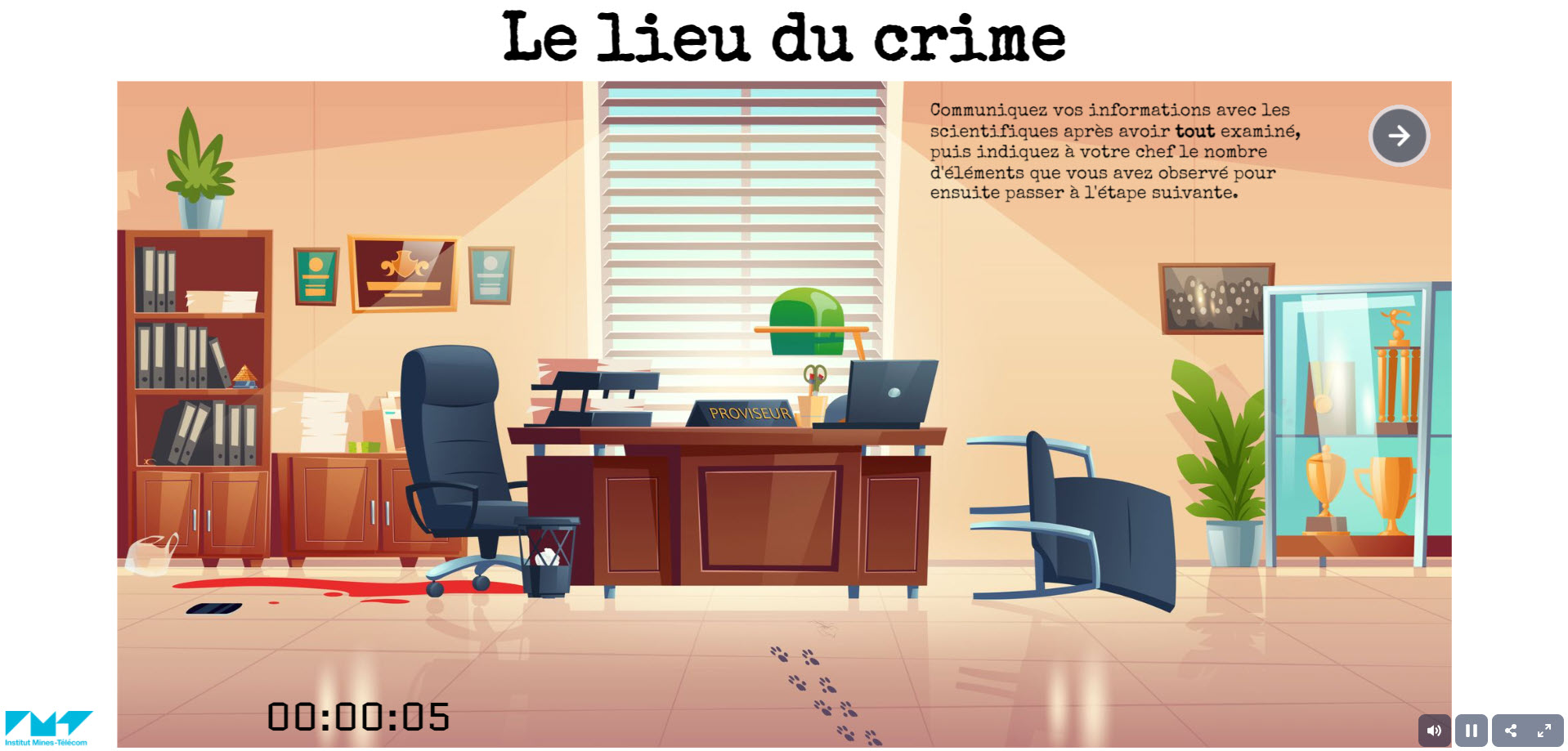
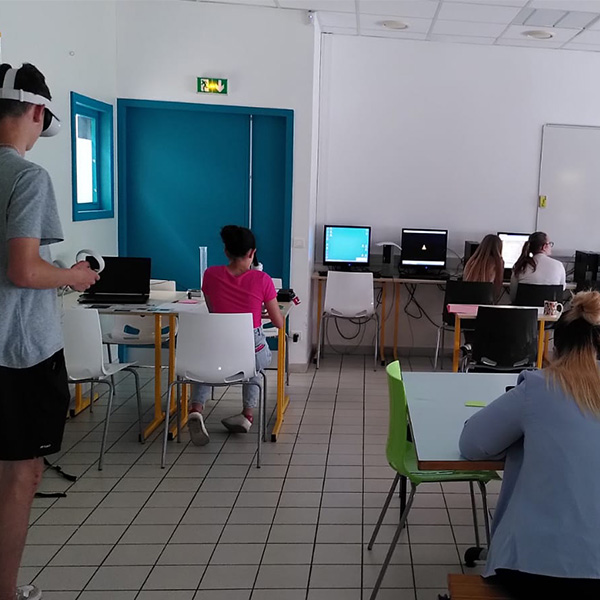
This RLG was used at Gambetta High School in Arras (62) for a French class focusing on the theme of crime. It consists of two roles: investigator and scientist. It was played twice with 8 students per session. These students were divided into two teams of four, with each role being played by a pair of students.
- Level: High School
- Subject: French
- Teacher involved: 1
- Session duration: 55 minutes
- Software and support: Genially (tablets)
- Number of students per session: 2 to 4

Immersive College
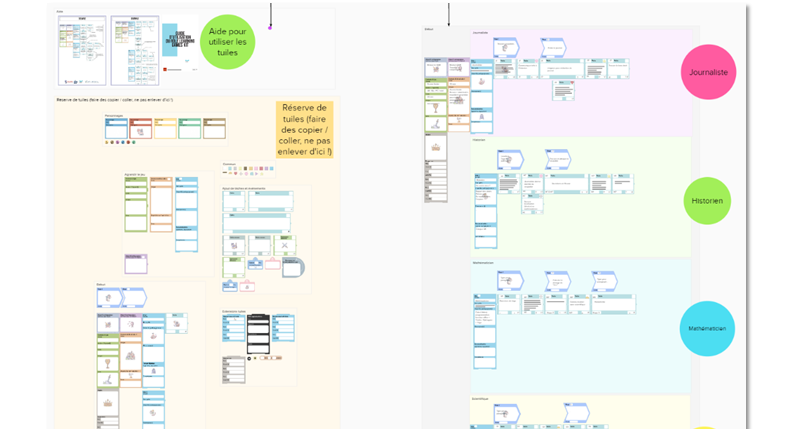
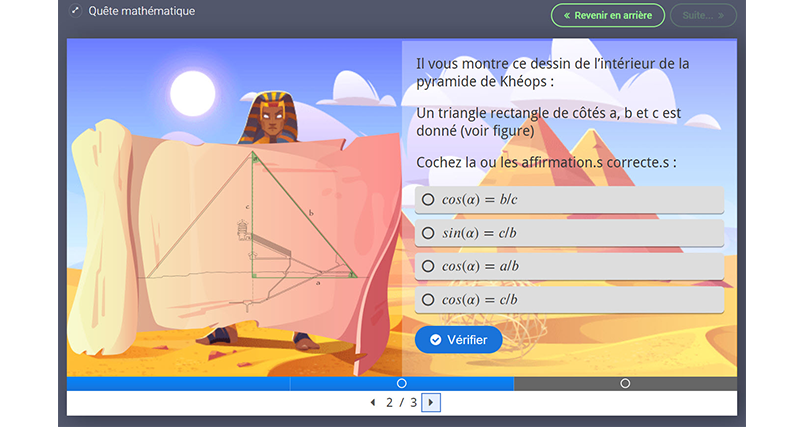
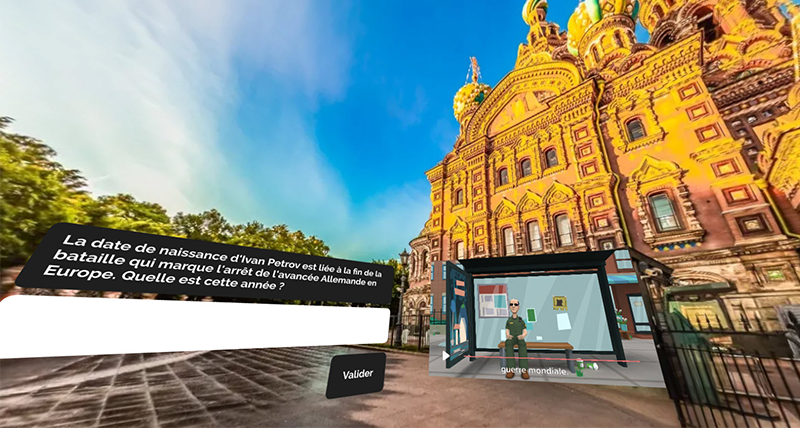
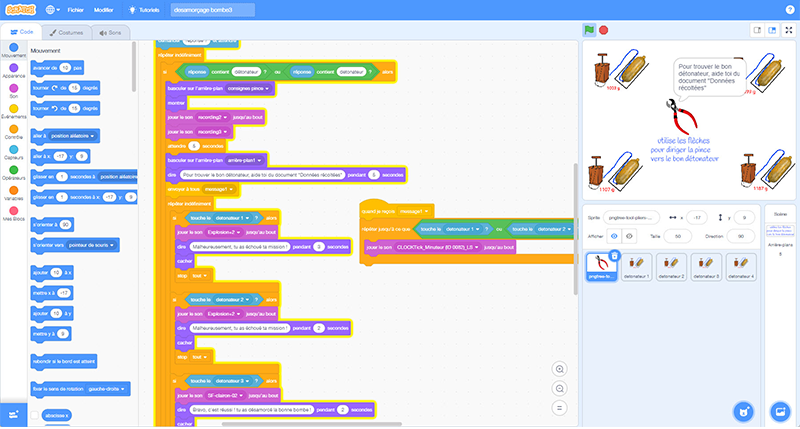
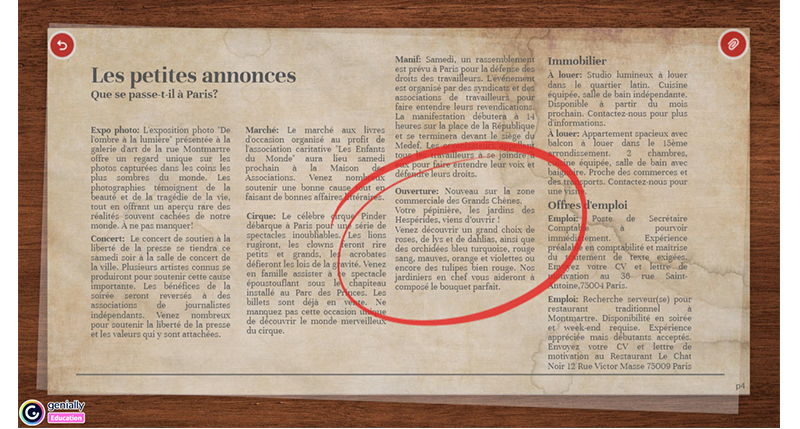
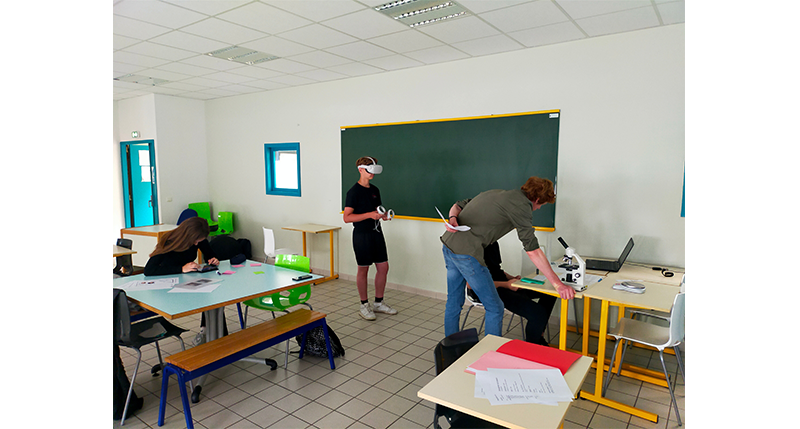
This RLG was designed to revise for the DNB (Diplôme National du Brevet) and was played by all the Year 10 students at Henri Wallon College in Divion (62). The students took on the roles of historian, mathematician, journalist, and scientist to save the planet from certain doom.
- Level: Year 10
- Subjects: French, Mathematics, History-Geography, Biology, Physics-Chemistry, and Technology
- Teachers involved: 8 main teachers
- Session duration: 55 minutes
- Software and platforms: Genially (computer), H5P (tablet), Wonda Spaces (VR headset), Scratch (computer), and science equipment
- Number of students per session: 4 to 8
Nuclear Under Pressure
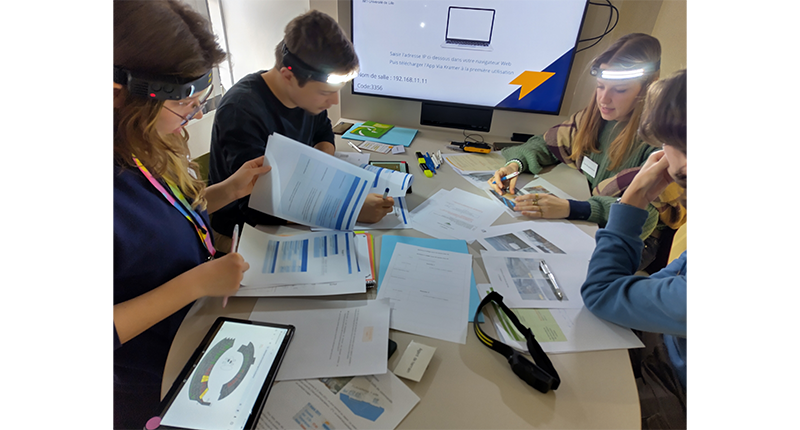
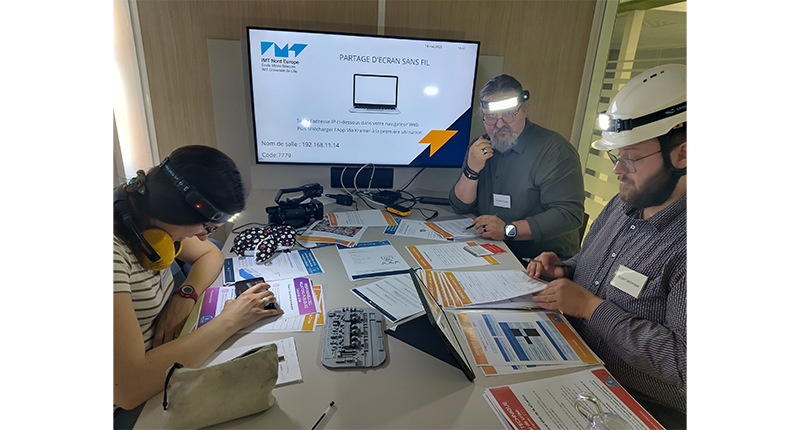
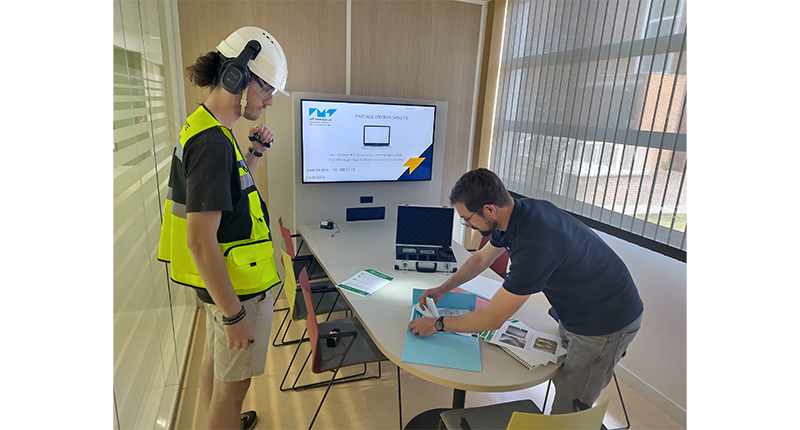
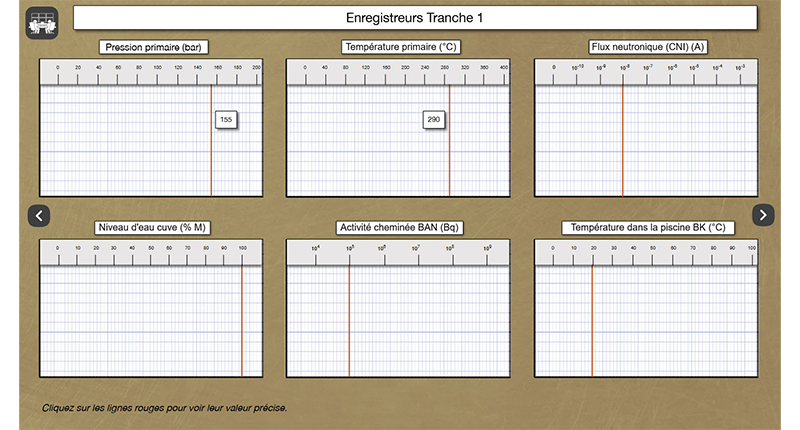
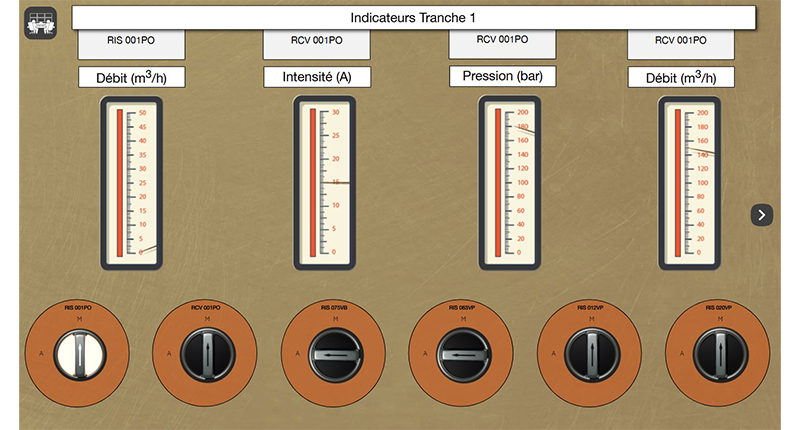
This Role-Playing Game (RPG) is based on the events of Fukushima and follows the major stages of that crisis: earthquake, tsunami, power outage, and lack of water to cool a reactor. The game includes seven different roles (plant manager, two operators with different data, field agent, technical expert, public relations officer, and unit director) and can be adapted for up to about fifteen players. It requires three to four small rooms and some specific equipment for each role (folders with detailed instructions similar to those used in actual power plants, a tablet with a dedicated app to represent the control room, headlamps, personal protective equipment, batteries to plug into a specific electronic system, camera, walkie-talkie, etc.).
- Level: Engineering school
- Subject: Nuclear
- Teachers involved: 1
- Session duration: 150 min
- Software: ActivePresenter (tablets)
- Number of students per session: 7 to 15
Testimonials
Testimonials following the experiments with the RLG Kit:
Publications
During this work, several articles were published:
- State of the art of multiplayer multi-role serious games [EN]: Towards an integration of the multi-role dimension in the design of learning games: a review of the literature
- First structure model of RLG [FR]: Vers la conception de jeux sérieux multi-joueurs et multi-rôles
- RLG Model and RLG Kit with 2 experiments [FR]: RLG Model et RLG kit : un modèle et un kit de conception de Role Learning Game
- RLG Kit with 3 experiments [EN]: Facilitate the design of Role Learning Games: the RLG Kit
- Comparison of RLG Kit and RLG Maker [EN]: Tangible or digital? A comparison between two tools for designing asymmetric role-playing games for learning
- Co-designing with RLG Maker [EN]: Co-designing synchronous asymmetric multiplayer learning game scenarios
- Verification of role synchronisation [EN]: Modelling and verification of asymmetric role-playing scenarios for learning with Petri nets
Access the replay of the thesis defence (chaptered and enriched video): watch the video
Contact
This work was carried out during a PhD at Sorbonne University and for the Nucléofil project at IMT Nord Europe by Gaëlle Guigon.
Location:
764 Boulevard Lahure, 59500 Douai, France
Email:
gaelle.guigon[at]imt-nord-europe.fr
Phone:
+33 3 27 71 23 53
Credits
Project
This work is part of the Nucléofil project, funded by the government as part of the recovery plan.


Additionally, it is part of a PhD at Sorbonne University (at LIP6 in the MOCAH team), in collaboration with IMT Nord Europe.



Website
Webdesigner: Gaëlle Guigon - IMT Nord Europe.
Design by BootstrapMade
© Copyright iPortfolio